
DIGITAL PHOTOGRAPHY, 2025-2026
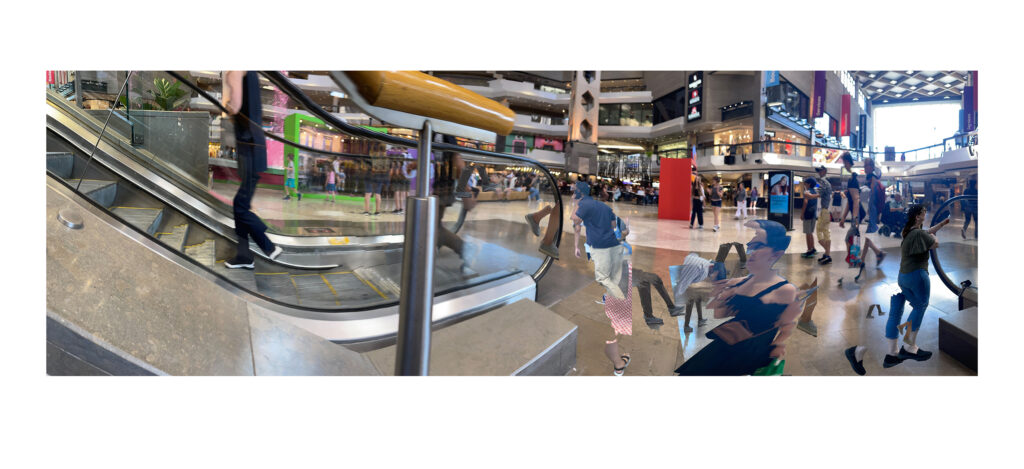
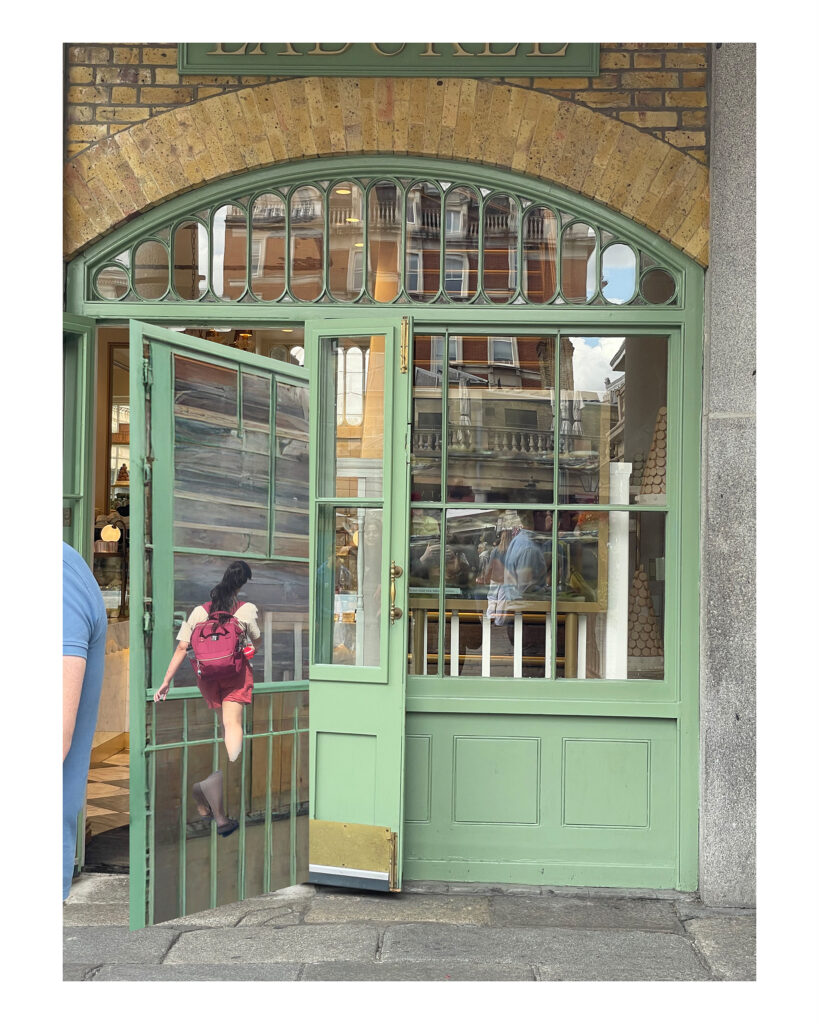
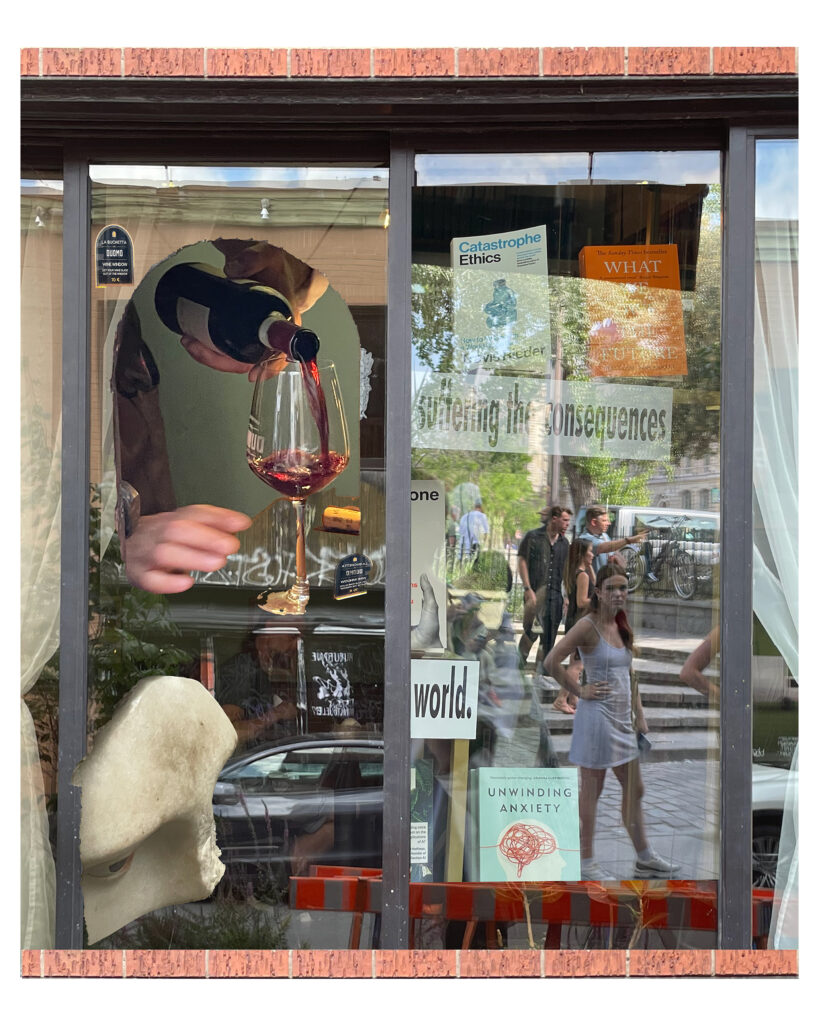
In COVID-19: Effects, Apathy and Betrayal, Joanna Black views the ontological COVID-19 pandemic disruption of government protections through the lenses of commerce, work, leisure, histories, and political sites. Through this research creation project, she has been critically investigating the now long-standing impacts of COVID-19. By digitally manipulating photographic images, she captures people during the pandemic living their lives: at home, in public areas, at places of business, and in the institutional spaces they access.
Since the beginning of the COVID-19 lockdown in early 2020, the world has become increasingly tumultuous and precarious. According to the World Health Organization, there have been close to eight hundred million reported cases of COVID-19, and six out of every hundred people develop long COVID—currently, there are approximately two million Canadians who are COVID “long haulers”. Many, in those early pandemic days, experienced isolation, and sickness, witnessed death, or died. But now, COVID has mutated, and new variants have emerged; people are still becoming ill.
Since 2022, protests—such as the truckers’ convoy that converged in Ottawa—called for a halt to COVID public health restrictions. As a result, public policies and governmental approaches have radically and markedly altered: there is now censorship of pandemic information, a stripping down of COVID-19 protections, and a dismantling of healthcare systems. Proper treatment of, protection from, and relevant information on COVID 19 are no longer mandated or necessarily easily available — including masks, COVID rapid tests, vaccines, filtered air in public institutions (including schools), and antivirals such as Paxlovid. A perfect storm is rising. Given the ongoing climate crisis, many researchers warn other pandemics are imminent. A healthcare crisis also looms due to a lack of governmental concern and chronic medical/research underfunding.
Post COVID-19, social inequities have been widening, especially for those who are elderly, racialized, or otherwise vulnerable. There is growing criticism of academic and scientific research and expertise. Democracy is being challenged, and our governments are failing us. Increasingly, administrations have shifted personal care responsibility onto the individual. In short, we are experiencing institutional betrayal. How can we reduce these human costs? Is there another way?